Cart is empty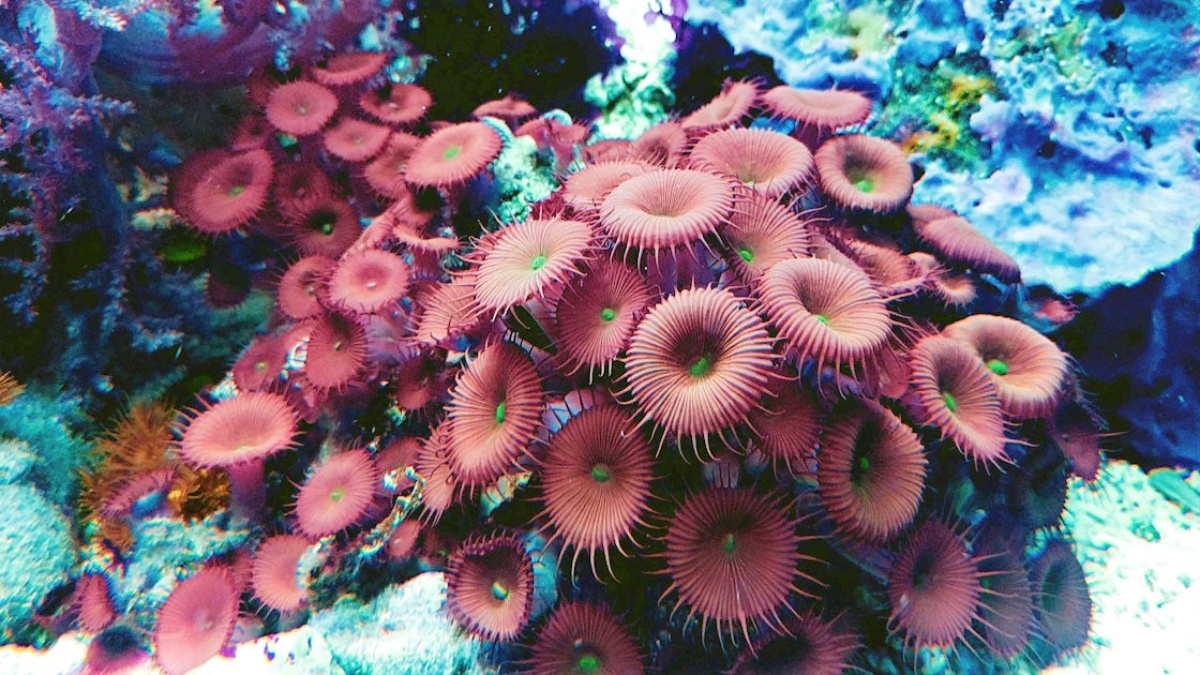
Mangroves look incredible in reef aquariums, but the big question is whether they can actually live alongside coral without creating problems.
Good news!
Mangroves and coral can thrive together, as long as you understand the balance between lighting, nutrients, space, and long-term tank maintenance.
Below you’ll find a full breakdown that reef keepers wish they had on day one, plus internal links to related mangrove care topics so you can build your knowledge step by step.
How Mangroves Fit Into a Reef Aquarium
Mangroves offer benefits that most reef keepers dream about. They reduce nitrates, stabilize pH, improve oxygen levels, and help with nutrient export naturally.
Instead of relying only on filter socks, refugiums, and water changes, mangroves give your reef system a living, growing safety net.
But coral systems are sensitive.
They require stability in light, salinity, and nutrients.
Mangroves grow slower than macroalgae, which means they won’t strip the water of nutrients too aggressively. That makes them surprisingly compatible with coral when used correctly.
If you want to learn how mangroves help remove nitrates, you’ll get a deeper breakdown in this article: Can Mangroves Remove Nitrates in Freshwater Aquariums?
Do Mangroves Compete With Coral for Nutrients?
Coral reefs rely on low nutrient levels, but not zero nutrients. Mangroves help with nitrogen processing, but they don’t strip the water like chaeto or heavy macroalgae systems.
Here’s how mangroves interact with coral nutrition:
Benefits
- Gentle nitrate reduction
- Helps stabilize pH and oxygen
- Supports a cleaner, more balanced reef environment
Potential Issues
- Too many mangroves can lower nutrients more than coral prefer
- Large roots or leaves can block light if not placed correctly
Best Practice
Start with one to three mangroves in an average reef tank, then monitor how coral respond over several weeks.
Where Should Mangroves Be Placed in a Reef Tank?
Placement is everything when mixing mangroves and coral. Mangroves shouldn’t be submerged fully, and they need strong lighting above the tank, not just the reef lights below.
Ideal Placement
- In the sump or refugium with the top portion above water
- In the display tank corner, rooted in sand or rock but leaves above the surface
- In a dedicated mangrove zone where roots can grow downward safely
Avoid Placing Mangroves:
❌ Directly above light-hungry coral
❌ Where their leaves block high-PAR zones
❌ In tight areas where root expansion is limited
If you want to learn how mangroves handle different substrates, check this guide: Can You Grow Mangroves at Home?
How Much Light Do Mangroves Need in a Reef System?
Mangrove plants need brighter light than most coral. Many reef lights don’t provide the correct spectrum or direction for mangroves since they grow above the surface.
Best Lighting Options
- LED grow lights placed above the mangroves
- Full-spectrum horticulture fixtures
- High-CRI white LEDs designed for terrestrial plants
Good vs Bad Lighting for Mangroves
Good (use these)
✅ Soft LED grow lights
✅ Indirect natural sunlight
✅ Strong full-spectrum lighting
✅ 8–10 hours daily
Bad (avoid these)
❌ Only tank lights beneath the waterline
❌ Random on/off schedules
❌ Weak clip-on LEDs
❌ Hot bulbs that scorch leaves
The right light is what keeps mangroves healthy long-term, especially in reef setups where coral and mangroves share space.
Curious How Mangroves Would Look In Your Aquarium?
➡️ Check out our live mangrove plants to see which will look best in your Freshwater, Saltwater, or Brackish setup.
Mangrove Roots and Coral: Safe or Not?
Mangrove roots add a natural, lagoon-style look to reef tanks, but they can also grow unpredictably.
Safe Interactions
- Roots growing downward near soft coral zones
- Using roots as natural fish shelter
- Allowing roots to blend with rockwork for aesthetics
Unsafe Interactions
❌ Roots growing onto or pressing against coral
❌ Roots blocking PAR in SPS-dominant tanks
❌ Roots shading Goniopora, Zoas, or Euphyllia
Pro Tip
Trim and guide roots early. Once they harden, they’re harder to redirect.
If you want a deeper understanding of root behavior underwater, check this article: Do Mangroves Clean Water?
Mangrove Fact
🌱 Mangroves naturally grow in shallow coastal areas where coral reefs begin. They act as nurseries for juvenile fish, stabilize the shoreline, and help filter sediments before water reaches coral reefs.
Do Mangroves Affect Reef Chemistry?
Mangroves grow slowly, which means they pull nutrients from the water at a gradual pace. They won’t cause nutrient crashes unless you overcrowd the tank with too many plants.
They Help With:
- Nitrate reduction
- Oxygenation
- Trace element cycling
- pH stability
They Do NOT Cause:
❌ Sudden chemistry swings
❌ Heavy nutrient stripping like chaeto
❌ Massive changes in alkalinity or calcium
The only time mangroves cause aquarium water issues is when leaves fall into the water and decay. Just remove fallen leaves during routine maintenance.
Check out this in-depth article we wrote on Why Are The Leaves On My Mangroves Turning Yellow?
Will Mangroves Shade Coral?
This depends entirely on placement.
They will cast shade when:
- They grow tall above the tank
- Leaves spread outward near the lights
- They’re placed close to SPS areas
They will not cause shade when:
- Placed in a dedicated open zone
- Trimmed and shaped while young
- Given their own overhead lighting
Reef tanks with mangroves look incredible when you shape your plants intentionally, just like shaping bonsai.
Are Mangroves Worth Adding to a Coral Reef Tank?
For most reef keepers, the answer is yes, as long as placement and lighting are handled correctly. They add:
- A natural lagoon aesthetic
- Slow, steady nutrient control
- Biological stability
- A stunning display feature
- A touch of the wild reef ecosystem inside your home
They’re especially helpful for reefers with higher nutrient bioloads or those who want a natural method of long-term tank balance.
Final Thoughts
Mangroves and coral can absolutely live together in the same aquarium when the setup is designed with intention. Proper lighting, placement, and understanding root behavior make the combination not only possible but beautiful. Reef keepers who combine the two end up with tanks that look like living art; natural, balanced, and uniquely alive.
Whenever you’re ready to start your own mangrove setup, you already know where to get the healthiest plants.
Looking To Upgrade Your Tank With Natural Filtration?
➡️ Check out our live mangrove plants for sale and get yours shipped directly to your home.