
 Cart is empty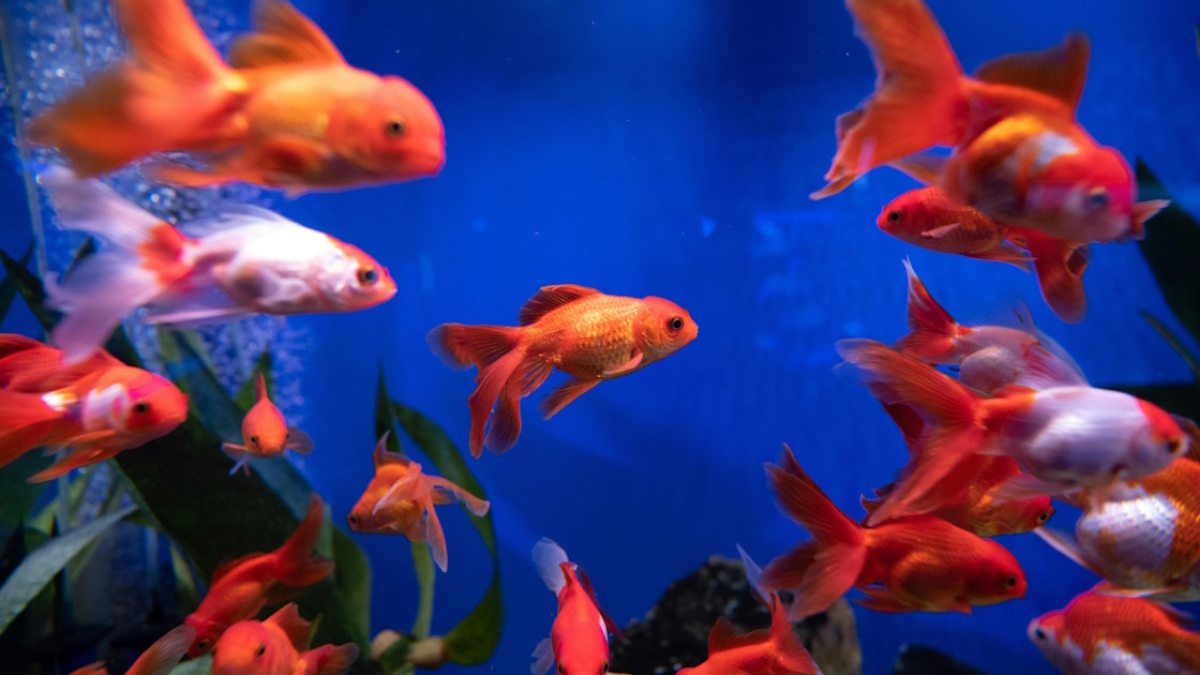
Nitrates are one of those invisible problems that creep up in almost every aquarium. You cannot see them, but your test kit does, and high readings can slowly stress fish and fuel algae.
A lot of people are now turning to mangroves as a natural solution, and the big question is simple: can mangroves actually remove nitrates in a freshwater aquarium?
The short answer is yes.
Mangroves can help lower nitrate levels, but they do it slowly and only if they are set up and cared for correctly. Think of them as a long term partner in your filtration system, not a quick emergency fix.
How Mangroves Use Nitrates in Freshwater Tanks
Mangroves are not just decorative trees. They are nutrient hungry plants that evolved to live in water full of dissolved waste.
In a freshwater aquarium, all the food you feed, the waste your fish produce, and the organic matter that breaks down eventually turns into nitrate.
What happens next?
Mangrove roots absorb this nitrate and use it as fuel for new leaf growth, thicker stems, and expanding root networks. As the plant gets larger, it can pull in more nutrients from the water, which slowly helps reduce overall nitrate levels in the tank.
Why Roots Matter So Much
The more root surface area you give a mangrove, the more filtration power it has. A tiny propagule with just a few short roots will not remove much nitrate yet.
A taller mangrove with a thick, branching root system will have a much bigger impact on nutrient levels.
Letting the roots hang freely into the water, rather than burying everything in deep substrate, gives them the best contact with nitrate rich water.
Lighting and Growth Speed
Mangroves only filter well when they are actively growing. That means they need good lighting on their leaves. If the light is too weak or inconsistent, growth slows down and nitrate removal slows down with it.
If you want to compare different types of lighting before committing, this article is a good next step: The Ultimate Showdown: LED vs. Fluorescent Lights for Mangroves
Mangrove Fact
🌱 Mangroves evolved in nutrient heavy coastal zones where runoff brings in constant waste, which is why their roots are so efficient at pulling nitrate out of the water.
How Long Does It Take to See Nitrate Changes?
Mangroves are a long game. You should not expect big nitrate drops in the first couple of weeks. They need time to adapt, push out new leaves, and expand their roots before they start making a noticeable difference.
Typical Timeline in a Freshwater Aquarium
In the first month, your mangrove is adjusting to its new environment. It may sprout new leaves, but nitrate levels might look the same on your test kit. Between month two and three, you may notice that nitrates are rising more slowly between water changes.
After about six months, especially if you have multiple healthy mangroves, you can see a clear pattern of more stable and lower nitrate readings over time.
Mangroves Work Best with Stable Conditions
If your tank constantly swings in temperature, pH, or salinity, the mangrove will not perform at its best. Stable freshwater conditions, consistent lighting, and a predictable feeding routine all help the plant grow and filter more efficiently.
Curious how mangroves would look in your aquarium?
➡️ Check out our live mangrove plants to see which will look best in your Freshwater, Saltwater, or Brackish setup.
Mangroves vs Other Nitrate Reduction Methods
Mangroves are just one tool in the nitrate management toolbox. To understand where they shine, it helps to compare them with other common methods.
Water Changes
Water changes are still the fastest way to remove nitrate from a freshwater aquarium. You drain out part of the water, and the nitrate goes with it. This is ideal when levels get too high, too fast.
The downside is that you have to keep doing it over and over.
Fast Growing Plants
Fast growing aquatic plants and floating plants can soak up nitrates quickly. They work well, but they can also melt, get out of control, or die back and dump nutrients back into the tank if things go wrong.
Where Mangroves Fit In
Mangroves do not give you a dramatic overnight drop in nitrate. Instead, they help slow the climb between water changes. Over time, they act like a nutrient sponge that keeps your readings from spiking.
They are steady, predictable, and long lived, especially when compared to more delicate aquatic plants.
Good vs Bad Nitrate Management with Mangroves
Good
✅ Moderate stocking instead of cramming too many fish into the tank
✅ Consistent, measured feeding instead of dumping in extra food
✅ Strong biological filtration to handle ammonia and nitrite
✅ Healthy mangroves with bright light and open root space
✅ Regular water changes supported by long term mangrove filtration
Bad
❌ Overfeeding and letting food pile up in the substrate
❌ Overstocked tanks with large messy fish in a small volume of water
❌ Neglecting filter maintenance for long periods
❌ Weak or failing lighting over your mangroves
❌ Expecting mangroves alone to fix severe nitrate problems
Pairing Mangroves with Filtration and Substrate
Mangroves do not work in isolation. They plug into the system you already have.
Your filter still needs to handle the early stages of the nitrogen cycle by converting ammonia and nitrite into nitrate. Once nitrate is in the water, your mangroves can begin to absorb it.
That means good biological filtration and mangroves work together, not against each other.
If you are curious about how substrate fits into the picture for mangrove health and filtration, this related article can help break it down: Keep Your Substrate in Top Shape for Mangroves With These Tips
Mangrove Fact
🌱 Mangroves in aquariums usually focus on building root mass first, and this root growth phase is exactly when their nitrate absorption starts to increase.
Ideal Setup for Nitrate Reduction with Mangroves
A good setup makes a huge difference in how well your mangroves perform in nitrate control.
You want bright, full spectrum light that reaches the leaves for at least eight to ten hours each day. The roots should drop straight into the water with plenty of space around them, not crammed into a tight corner.
Gentle water flow around the roots keeps nutrients moving without blasting the plant.
The size of your tank matters too. Mangroves can help in small and large aquariums, but their effect is easier to see in tanks where nitrates tend to build up more regularly, such as tanks with goldfish or heavier bioloads.
When Mangroves Are Not Enough
There are some situations where mangroves cannot keep up on their own. If your nitrate levels are already extremely high, you should always start with water changes to bring them down to a safer range.
Mangroves then help keep those levels from climbing back up as quickly.
They also are not a solution for tanks that are constantly overstocked or overfed. In those cases, the waste coming in is simply more than any plant can handle.
If you want to troubleshoot broader mangrove care issues that might be slowing their growth, this article is a helpful next stop: Avoid These Common Maintenance Problems with Your Mangroves
Mangrove Fact
🌱 A well lit, healthy mangrove can act like a slow motion nutrient export system, quietly pulling nitrates out of your water while your fish go about their lives.
Final Thoughts
Mangroves can absolutely remove nitrates in freshwater aquariums, but they do it as part of a bigger picture. They need light, time, space for their roots, and a reasonably well managed tank to shine. When those pieces are in place, they become one of the most reliable long term tools for keeping nitrates under control.
Instead of treating nitrates as a constant crisis, mangroves help turn your aquarium into a more stable, natural system where waste is gradually recycled into new plant growth.
Over the long run, that means clearer water, less stress for your fish, and a tank that looks and feels healthier.
Looking To Upgrade Your Tank With Natural Filtration?
➡️ Check out our live mangrove plants for sale and get yours shipped directly to your home.

[…] If you want to learn how mangroves help remove nitrates, you’ll get a deeper breakdown in this article: Can Mangroves Remove Nitrates in Freshwater Aquariums? […]